

View
View

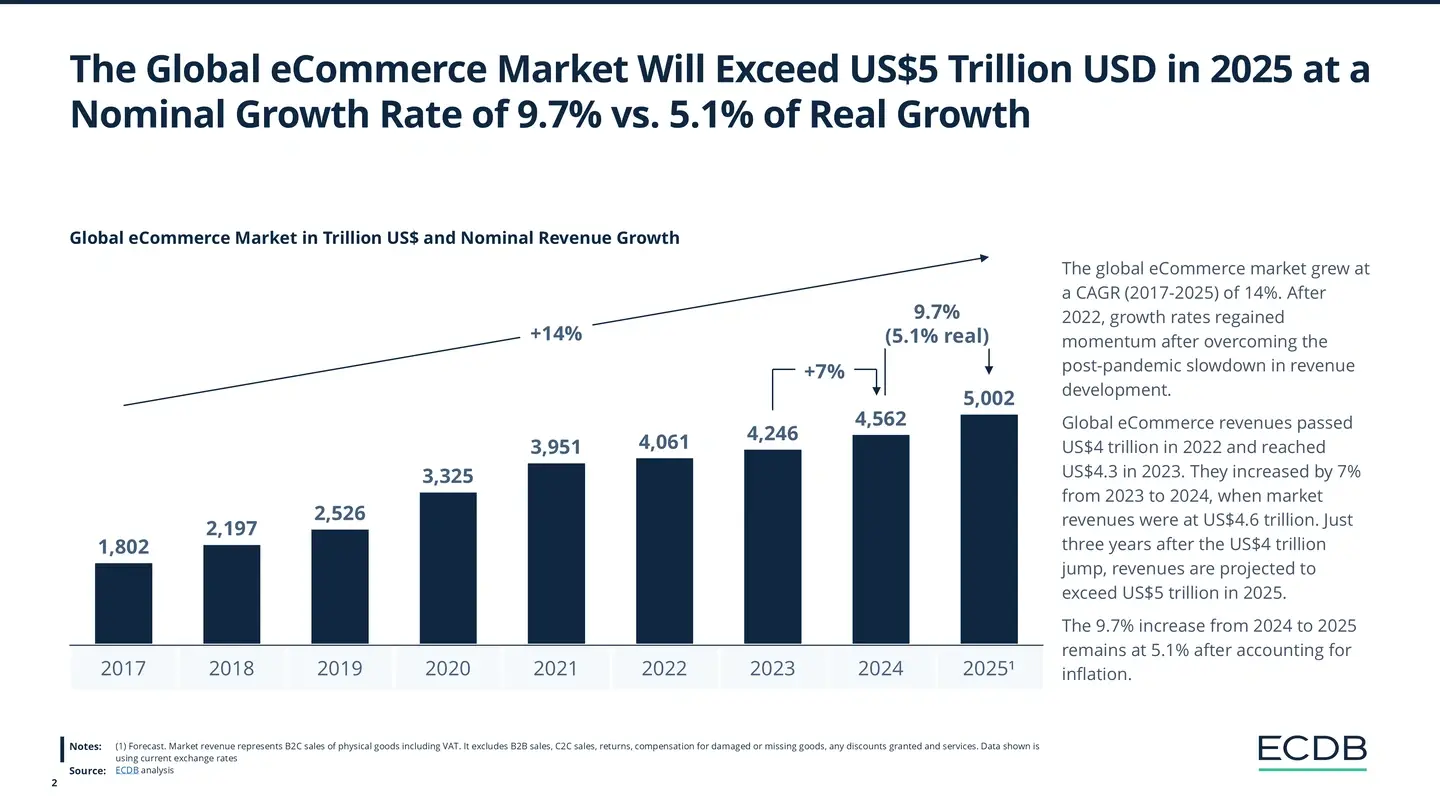
Pakistan’s e-commerce sector has entered an exciting phase of growth. Industry reports indicate that online retail sales are projected to surpass $7.5 billion by the end of 2025, driven by increasing internet penetration and smartphone adoption. Yet beneath these promising numbers lies a challenging reality: many online stores fail within their first year, not due to poor products or lack of demand, but because of inadequate website functionality and user experience.
The gap between a struggling online store and a thriving one often comes down to technical execution. Your website serves as your digital storefront, warehouse, and sales team combined. Every feature, every click, every loading second matters.
This comprehensive guide examines the essential components that distinguish successful Pakistani e-commerce websites from those that fail to gain traction. Whether you’re launching your first online venture or optimizing an existing store, understanding these fundamentals will significantly impact your success.
Before diving into technical features, we must acknowledge that e-commerce in Pakistan operates differently than in Western markets. Consumer behavior, payment preferences, and logistical challenges create unique requirements.
Cash on delivery remains the dominant payment method, accounting for approximately 75-80% of all online transactions. While this may seem outdated to international observers, it reflects genuine trust concerns among Pakistani consumers. Your website must accommodate this preference while gently encouraging digital payments through incentives.
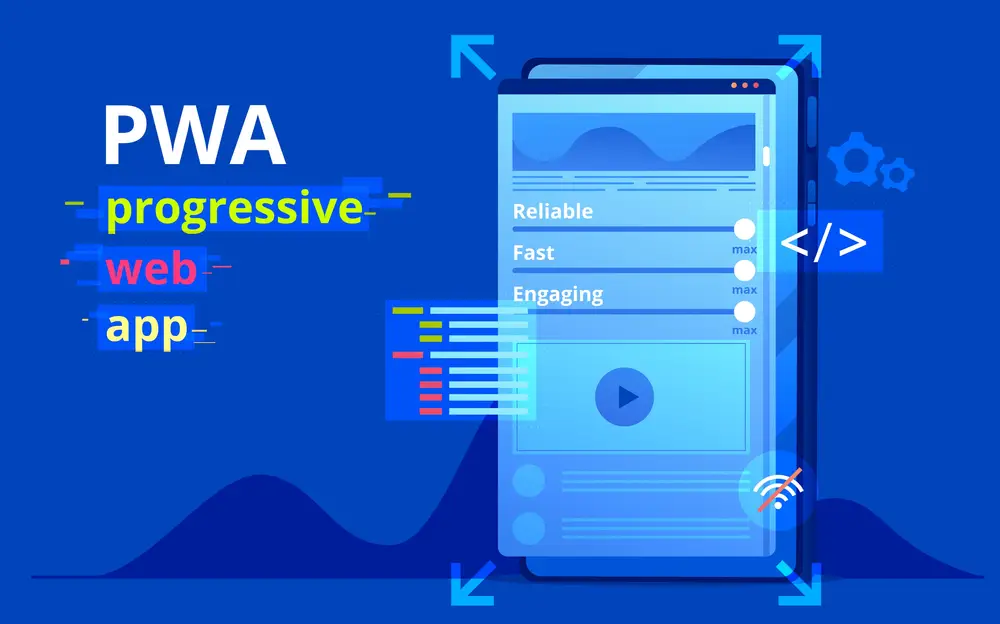
Mobile commerce has become the primary shopping channel. Data from multiple sources suggests that 65-70% of e-commerce traffic comes from mobile devices. This isn’t merely about responsive design—it demands a mobile-first development approach where every feature is optimized for smaller screens and touch interactions.
Delivery infrastructure presents ongoing challenges. Unlike markets with sophisticated logistics networks, Pakistan’s courier services vary significantly in reliability and coverage. Successful online stores integrate with multiple courier services and provide transparent tracking information.

WooCommerce dominates Pakistan’s e-commerce landscape, and for good reason. Built on WordPress, it offers familiarity to local developers and extensive customization possibilities. The plugin ecosystem provides solutions for nearly every requirement, from advanced product filters to sophisticated shipping calculations.
However, this flexibility comes with responsibility. A WooCommerce store loaded with too many plugins becomes slow and unstable. We’ve encountered stores running 40+ plugins, wondering why their pages take 8 seconds to load. The platform requires careful optimization and proper hosting—shared hosting simply cannot handle serious e-commerce traffic.
Development costs for WooCommerce stores typically range from PKR 100,000 for basic implementations to PKR 500,000 for advanced custom solutions. Ongoing maintenance requires technical expertise, either in-house or through an agency relationship.
Shopify appeals to businesses wanting quick deployment without technical headaches. The platform handles hosting, security, updates, and core functionality automatically. You focus on products and marketing rather than server management.
The monthly subscription model ($29 to $299 USD) can strain Pakistani businesses dealing with currency fluctuations. Transaction fees add up, especially for high-volume stores. Customization is more limited compared to open-source alternatives, though Shopify’s app ecosystem addresses many needs.
We’ve seen fashion brands successfully scale on Shopify, managing thousands of SKUs without performance issues. The platform particularly suits businesses prioritizing speed to market over deep customization.
Custom-built solutions using frameworks like Laravel or React provide ultimate flexibility. Every aspect can be tailored to specific business requirements, from unique product configuration tools to complex inventory management systems.
This approach requires significant upfront investment, typically PKR 500,000 to PKR 2,000,000 or more for enterprise implementations. Development timelines extend to 3-6 months. However, businesses with unique requirements or ambitious growth plans often find custom development provides the best long-term value.
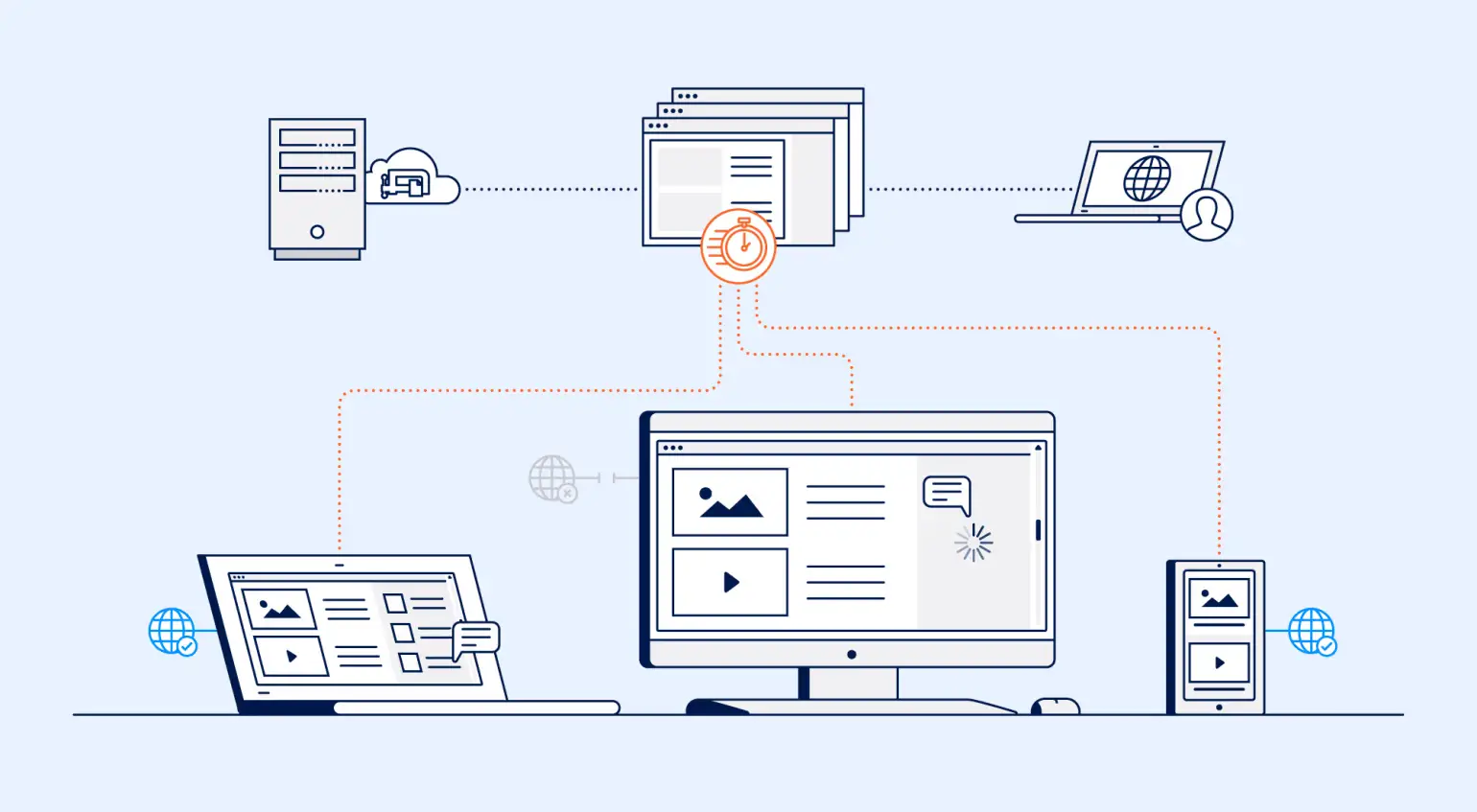
Your customers arrive with intent but limited patience. Product search must be fast, forgiving of typos, and capable of understanding natural language queries. Implementing autocomplete suggestions reduces friction significantly—users see relevant results before finishing their search term.
Advanced filtering separates good stores from great ones. Customers should filter by price range, brand, size, color, and product-specific attributes. Each filter combination should load instantly, not trigger page reloads. The number of matching products should update dynamically as filters are applied.
Sort functionality seems simple but impacts conversion rates measurably. Beyond basic options like “price low to high,” consider relevance sorting, popularity, newness, and customer ratings. Different customers have different priorities.
Your product page determines whether browsing converts to purchasing. Multiple high-quality images are non-negotiable—minimum five angles for fashion items, more for complex products. Zoom functionality allows examination of details. Video demonstrations increase conversion rates by 20-30% for products where usage matters.
Descriptions must balance comprehensiveness with readability. Technical specifications belong in expandable tables, not paragraph form. Highlight key benefits in bullet points. Address common questions preemptively. Include sizing charts for apparel, compatibility information for electronics, ingredients for cosmetics.
Customer reviews build trust and provide social proof. Display ratings prominently, showcase recent reviews, and make it easy for purchasers to leave feedback. Respond professionally to negative reviews—it demonstrates customer care.
Cart abandonment rates in Pakistan exceed 70%. Complicated checkout processes drive much of this abandonment. Every additional form field reduces completion rates.
Guest checkout must be available. Many customers resist creating accounts until they’ve completed a first purchase successfully. Collect minimum information: name, phone, address, and payment details. Account creation can happen post-purchase with one click.
Progress indicators reduce anxiety during multi-step checkouts. Customers want to know they’re on step 2 of 3, not lost in an endless process. Display costs transparently—shipping fees appearing at the final step cause abandonment.
Auto-fill and address validation reduce friction. Integrate with postal code databases to auto-populate city and area based on entered codes. Validate phone numbers in real-time to prevent delivery issues.
JazzCash and EasyPaisa dominate mobile wallet payments in Pakistan. Integration is straightforward, transaction fees range from 2-3%, and customer familiarity is high. Both support over-the-counter payments at retail outlets, extending reach beyond smartphone users.
Major banks offer payment gateways: HBL, MCB, Meezan Bank, and others. These carry higher trust factors for larger purchases. Implementation complexity varies by bank, and approval processes can take 2-4 weeks. Transaction fees typically run 2.5-3.5%.
Despite its challenges, COD remains essential. Implement phone number verification through OTP (one-time password) systems to reduce fake orders. Many stores add a nominal COD surcharge (PKR 100-150) to encourage digital payments while covering confirmation costs.
Confirmation calls before dispatch help validate orders, though they add operational overhead. Consider implementing automated confirmation systems using SMS or WhatsApp business API.
SSL certificates (HTTPS) are mandatory, not optional. Customers increasingly recognize the padlock icon and avoid non-secure sites. Payment information must never be stored directly on your server—use tokenization through payment gateways.
Display trust badges prominently during checkout: secure payment icons, money-back guarantees, and industry certifications. These small visual elements significantly impact completion rates.
Multiple courier partnerships provide backup when one service faces delays. TCS, Leopards, PostEx, and Trax offer API integrations allowing automated booking and tracking. Implement systems that automatically select the most reliable courier for each destination based on historical performance data.
Real-time tracking satisfies customer curiosity and reduces “where’s my order” inquiries. Provide tracking numbers immediately upon dispatch, with links to courier websites. Send automated updates at each milestone: dispatched, in transit, out for delivery, delivered.
Free shipping thresholds encourage larger basket sizes. “Spend PKR 2,000 more for free shipping” prompts many customers to add items. Calculate thresholds based on your margins and average order value.
Express delivery appeals to urgent needs. Even with premium pricing, many customers choose next-day delivery for time-sensitive purchases. Partner with couriers offering this service in major cities.
Store pickup eliminates shipping costs entirely while serving customers who prefer immediate collection. This works especially well for businesses with physical retail locations in multiple cities.
Responsive design merely scales your desktop site to smaller screens. True mobile optimization redesigns the experience for touch interfaces and limited attention spans.
Navigation must be thumb-friendly. Place important buttons in the bottom half of the screen where thumbs naturally rest. Make tap targets large enough (minimum 44×44 pixels) to prevent misclicks. Reduce the number of menu levels.
Checkout on mobile should fit on one screen when possible, or use accordion-style sections that expand and collapse. Auto-focus on input fields and use appropriate keyboard types: numeric for phone numbers, email keyboards for email addresses.
Page speed matters more on mobile where users often browse on 3G or 4G connections. Compress images aggressively, lazy-load below-the-fold content, and minimize JavaScript execution. Target under 3-second load times on mobile networks.
Automated emails sent 1 hour, 24 hours, and 3 days after cart abandonment recover 10-15% of lost sales. Include product images, remind customers what they’re missing, and consider offering a small discount for completion.
WhatsApp messages work well in Pakistan’s market. Many customers respond better to WhatsApp than email. Use this channel judiciously to avoid being perceived as spam.
Points-based loyalty programs encourage repeat purchases. Award points for purchases, reviews, and referrals. Make redemption simple and valuable enough to motivate continued engagement.
Referral programs turn customers into advocates. Offer benefits to both referrer and referred customer. Track referrals automatically and fulfill rewards promptly.
Flexible discount systems enable various promotional strategies: percentage discounts, fixed amount reductions, buy-one-get-one offers, and free shipping. Schedule campaigns in advance, target specific products or categories, and limit redemptions per customer.
Flash sales create urgency. Display countdown timers and prominently show original versus sale prices. Many successful Pakistani stores run daily or weekly flash sales on selected items.
Conversion rate measures your overall effectiveness. Track it overall and for specific traffic sources, products, and customer segments. Industry benchmarks in Pakistan range from 1-3% for e-commerce.
Average order value indicates pricing and upselling effectiveness. Track trends over time and implement strategies to gradually increase this metric through product recommendations and bundle deals.
Customer acquisition cost must remain below customer lifetime value for sustainable growth. Calculate comprehensively, including marketing spend, discounts offered, and operational costs.
Test one element at a time: button colors, heading copy, product page layouts, checkout steps. Run tests until statistical significance is reached, typically requiring several hundred conversions per variation.
Common high-impact tests include: checkout flow variations, product page layouts, call-to-action button text, homepage featured products, and shipping threshold messaging.
Regular security updates protect against vulnerabilities. WordPress and its plugins release security patches frequently—apply them promptly. Automated backup systems should run daily, storing copies off-site.
PCI compliance requirements apply when handling payment information directly. Most businesses sidestep these complex requirements by using payment gateway hosted pages for sensitive data collection.
Data protection regulations are evolving in Pakistan. Implement privacy policies clearly explaining data collection and usage. Provide mechanisms for customers to request data deletion or portability.
Building a successful e-commerce website in Pakistan requires more than installing a shopping cart plugin. It demands careful consideration of local market conditions, consumer behaviors, and technical requirements.
Start with the right platform choice based on your specific needs, budget, and technical capabilities. Prioritize mobile experience given Pakistan’s mobile-first internet usage. Integrate local payment options while gently encouraging digital payments. Partner with multiple courier services for reliable nationwide delivery.
Remember that your website is never truly finished. Continuous testing, optimization, and feature enhancements separate thriving stores from stagnant ones. Monitor analytics, listen to customer feedback, and stay current with evolving e-commerce trends.
The businesses that invest thoughtfully in their e-commerce foundations today will capture disproportionate market share as Pakistan’s digital economy continues its rapid expansion.
AddizTech specializes in building high-performing e-commerce websites optimized for the Pakistani market. Our team has developed successful online stores across various industries, from fashion and electronics to groceries and services.
We handle everything: platform selection, custom development, payment gateway integration, courier API connections, and ongoing optimization. Our e-commerce solutions are built to convert visitors into customers and scale as your business grows.
Contact AddizTech today for a free consultation:
+92 333 7198686
hello@addiztech.com
Office# M-59 Siddiq Trade Center, Gulberg III, Lahore, Pakistan
